
Dry or Oily Hair? A 2-Minute Test
How to know if your hair is dry or oily
How to know if your hair is dry or oily: wash it, skip conditioner, and let it air-dry. A few hours later, oily hair looks flat and shiny at the roots and wants another wash. Dry hair feels rough, tangles, and looks dull. Roots that are oily while the lengths feel rough mean combination hair.
- Wash with a clarifying shampoo and rinse well.
- Do not apply conditioner, oil, or any styling product.
- Let the hair air-dry. Do not use a dryer for this test.
- Wait a few hours without touching or tucking the hair.
- Check the roots: slick and limp means oily; rough and dull means dry.
Understanding your hair type is the first step to creating an effective care routine. Discover how to identify whether you have dry, oily, combination or normal hair and learn the best treatments for each type.
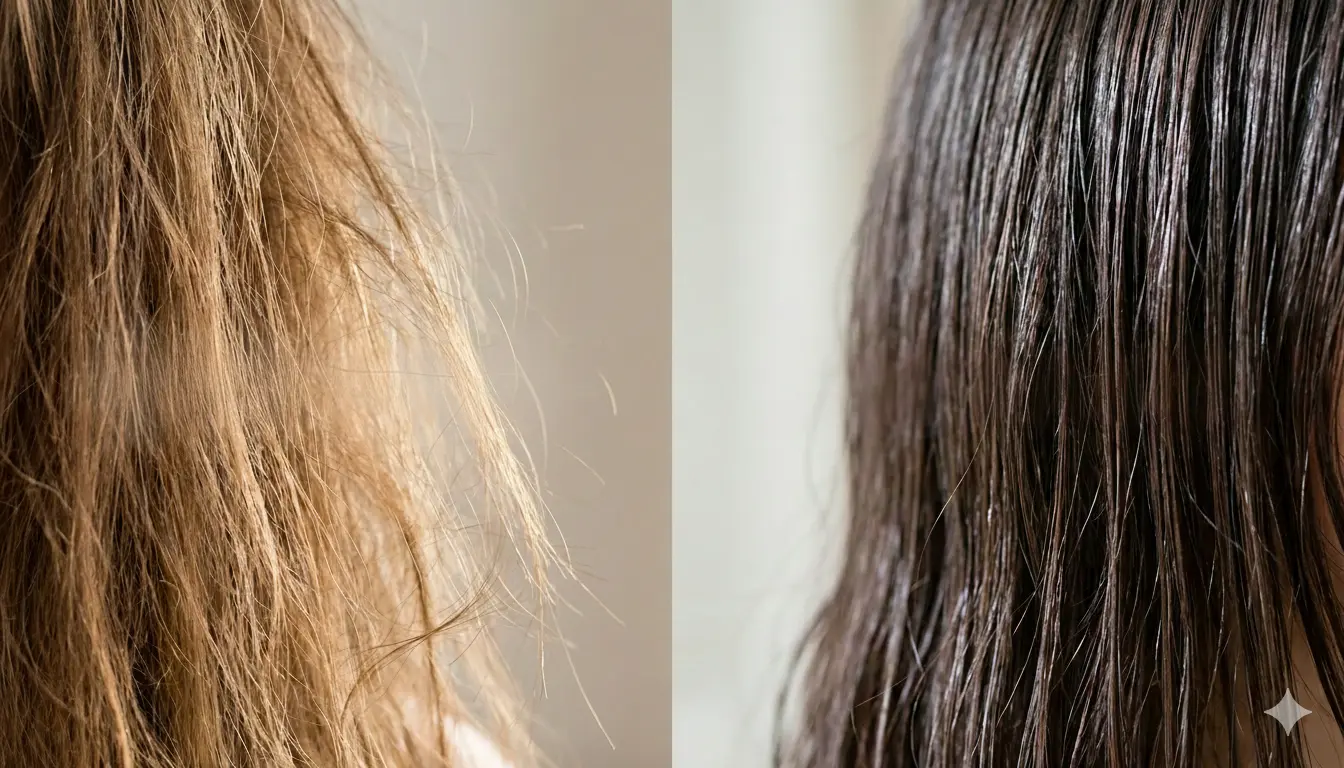
Having beautiful, healthy hair starts with one fundamental question: what is your hair type? Many people struggle with ineffective care routines simply because they're using products and techniques designed for a different hair type. Whether your hair is dry, oily, combination, or normal determines everything from how often you should wash it to which products will work best. In this comprehensive guide, you'll learn to accurately identify your hair type and discover the professional care routine that will transform your locks.
Table of Contents
Why Understanding Your Hair Type Matters
Your hair type isn't just a classification—it's the foundation of an effective care routine. Using products designed for oily hair when you have dry hair can strip away essential moisture, while heavy moisturizing products on oily hair can make it look greasy and lifeless.
The sebaceous glands in your scalp produce sebum, a natural oil that protects and nourishes your hair. The amount of sebum produced, how it's distributed along the hair shaft, and your hair's ability to retain moisture all determine your hair type. Understanding these factors helps you choose the right products, washing frequency, and styling techniques.
How to Identify Your Hair Type: The Complete Guide
There are four main hair types based on sebum production and moisture levels. Here's how to identify which category your hair falls into:
Oily Hair
Oily hair is characterized by excessive sebum production from the scalp's sebaceous glands. This type of hair tends to look greasy and feel heavy shortly after washing.
- •Greasy appearance within 24 hours of washing
- •Hair looks flat and lacks volume at the roots
- •Shiny, slick texture, especially at the scalp
- •Needs frequent washing (daily or every other day)
- •May have dandruff or scalp buildup
- •Styling products don't hold well
Dry Hair
Dry hair occurs when the scalp doesn't produce enough sebum, or when the hair shaft can't retain moisture effectively. This leads to rough, dull-looking hair prone to breakage.
- •Dull, lackluster appearance without natural shine
- •Rough, coarse texture that feels straw-like
- •Prone to split ends and breakage
- •Tangles easily and is difficult to comb
- •Frizzy and lacks definition
- •Can go 3-4 days or more without looking greasy
- •Static electricity, especially in dry weather
Combination Hair
Combination hair is the most common type, featuring an oily scalp with dry or normal ends. This typically occurs in longer hair where natural oils can't travel down the entire length of the hair shaft.
- •Oily roots but dry, sometimes damaged ends
- •Scalp needs frequent washing but ends need moisture
- •Middle to long hair length (oils don't reach the ends)
- •Different textures from root to tip
- •Ends may be frizzy while roots look greasy
- •Difficult to find products that work for the entire hair
Normal Hair
Normal hair is the ideal balance—it produces just enough sebum to keep hair healthy without being greasy. It's the least problematic hair type but still requires proper maintenance.
- •Natural shine without being greasy
- •Smooth texture with minimal frizz
- •Stays fresh for 2-3 days after washing
- •Easy to style and holds hairstyles well
- •Minimal breakage or split ends
- •Balanced moisture levels throughout
- •No significant scalp issues
The Simple 24-Hour Hair Type Test
If you're still unsure about your hair type, try this professional test used by hair specialists:
- 1Wash your hair with a clarifying shampoo to remove all product buildup
- 2Don't apply any conditioner, masks, oils, or styling products
- 3Let it air dry naturally without using a blow dryer
- 4Don't touch your hair excessively for the next 24 hours
- 5After 24 hours, examine your roots and ends separately
- 6Press a tissue to your scalp and hair. Check for oil on the tissue
Results interpretation: If the tissue shows significant oil at the roots within 24 hours, you have oily hair. If your hair still looks matte, feels rough, or has no shine, you have dry hair. If roots show oil but ends are dry, you have combination hair. If your hair looks fresh, with natural shine but no greasiness, you have normal hair.
How to Care for Oily Hair: Professional Techniques
Oily hair requires specific care to control sebum production without stripping the scalp, which can actually trigger even more oil production. Here's your comprehensive care routine:
Washing Routine
- •Wash daily or every other day with a gentle, purifying shampoo
- •Use lukewarm or cool water – hot water stimulates oil glands
- •Focus shampoo on the scalp, not the lengths
- •Double cleanse: first wash removes dirt, second wash treats the scalp
- •Rinse thoroughly to remove all product residue
- •Consider a clarifying shampoo once a week to remove buildup
Best Products and Ingredients
- •Apply conditioner only to the ends, never to roots
- •Look for lightweight, oil-free formulas
- •Beneficial ingredients: tea tree oil, salicylic acid, clay, charcoal
- •Use dry shampoo between washes to absorb excess oil
- •Avoid heavy oils, silicones, and thick creams
- •Try scalp treatments with witch hazel or green clay
What to Avoid
- •Don't touch your hair throughout the day – hands transfer oils
- •Avoid over-washing – it can cause rebound oil production
- •Stay away from heavy styling products (waxes, pomades, creams)
- •Don't brush excessively – distributes oils down the hair shaft
- •Minimize heat styling – heat stimulates sebaceous glands
- •Wash brushes and pillowcases regularly
How to Treat Dry Hair: Restoration and Hydration
Dry hair needs intensive moisture and nourishment to restore its health, shine, and manageability. The key is adding and sealing in hydration:
Deep Hydration Protocol
- •Wash every 2-3 days maximum – over-washing strips natural oils
- •Use moisturizing, sulfate-free shampoos
- •Apply rich, nourishing conditioner from mid-length to ends
- •Deep conditioning mask once or twice weekly
- •Leave conditioner on for 5-10 minutes before rinsing
- •Try overnight treatments with oils for intensive repair
Essential Products and Ingredients
- •Look for natural oils: argan, coconut, jojoba, avocado
- •Beneficial ingredients: shea butter, keratin, hyaluronic acid, ceramides
- •Use leave-in conditioner on damp hair
- •Hair oils or serums on ends to seal moisture
- •Consider protein treatments if hair is also damaged
- •Hydrating masks with aloe vera, honey, or glycerin
What to Avoid
- •Limit heat styling – always use heat protectant spray
- •Avoid sulfates, alcohols, and harsh chemicals
- •Don't use hot water to rinse – it opens cuticles and causes moisture loss
- •Minimize chemical treatments (coloring, bleaching, perms)
- •Protect from sun exposure, chlorine, and salt water
- •Don't towel-dry aggressively – pat dry or use microfiber towel
Caring for Combination Hair: The Balanced Approach
Combination hair is the trickiest to manage because it requires different treatments for roots versus ends. The secret is using targeted products:
Dual-Zone Treatment Strategy
- •Use clarifying shampoo on roots and gentle shampoo on lengths
- •Apply conditioner and masks only to mid-lengths and ends
- •Consider dry shampoo for roots between washes
- •Use lightweight leave-in products on ends only
- •Try oil treatments on ends while avoiding the scalp
- •Wash every 2 days as a compromise between root and end needs
Complete Care Routine
- •Pre-shampoo treatment: Apply oil to ends before washing
- •During washing: Focus cleansing on scalp, conditioning on ends
- •Weekly mask: Deep conditioning on lengths and ends only
- •Daily care: Light oil or serum on ends, dry shampoo on roots if needed
- •Consider regular trims every 6-8 weeks to remove dry ends
- •Avoid short haircuts if possible – longer hair distributes oils better
Additional Tips for All Hair Types: Lifestyle Factors
Beyond products and washing routines, your lifestyle and diet significantly impact your hair type and health:
Nutrition for Healthy Hair
What you eat directly affects your hair. A balanced diet rich in these nutrients supports optimal sebum production and hair health:
- •Omega-3 fatty acids (salmon, walnuts, flaxseeds) – regulate oil production
- •Biotin and B vitamins (eggs, almonds, spinach) – strengthen hair structure
- •Vitamin E (avocado, sunflower seeds) – protects against oxidative stress
- •Zinc (oysters, beef, pumpkin seeds) – controls sebaceous gland function
- •Protein (lean meat, legumes, dairy) – builds hair structure
- •Iron (red meat, lentils, dark leafy greens) – promotes healthy hair growth
Internal Hydration
Drink at least 2 liters of water daily. Internal hydration is just as important as external treatments. Dehydration makes hair drier and can actually increase scalp oil production as the body tries to compensate.
Stress Management
Chronic stress affects hormone levels, which can increase sebum production (leading to oilier hair) or disrupt the growth cycle (leading to drier, more brittle hair). Practice stress-reduction techniques like exercise, meditation, or adequate sleep.
About the Author
Tiago Zattar is a professional hair stylist with over a decade of experience in hair care and styling. Based in Lisbon, Tiago specializes in personalized hair treatments and helping clients understand and care for their unique hair type. His approach combines professional techniques with practical, everyday care routines.
Frequently Asked Questions
Can my hair type change over time?
Yes, hair type can change due to hormonal shifts (puberty, pregnancy, menopause), aging, climate changes, diet, stress levels, and hair treatments. It's normal for hair that was normal in your teens to become oilier or drier as you age.
Can I have different hair types on different parts of my head?
Absolutely. This is actually very common, especially combination hair where roots are oily but ends are dry. Some people also have oilier hair at the crown and drier hair at the nape. Adjust your routine to address each zone's needs.
Does washing hair daily make it more oily?
This is a myth. While over-washing with harsh shampoos can strip the scalp and trigger rebound oil production, washing daily with a gentle, appropriate shampoo for oily hair won't cause more oiliness. Listen to your hair's needs.
How do I know if I have dry hair or damaged hair?
Dry hair lacks moisture but has intact structure; it responds well to hydrating treatments. Damaged hair has structural damage (broken cuticles, protein loss) and needs protein reconstruction, not just hydration. Damaged hair often feels gummy when wet and breaks easily.
Can diet really affect my hair type?
Yes, significantly. Diets high in refined sugars and unhealthy fats can increase sebum production, leading to oilier hair. Diets lacking in essential fatty acids, proteins, and vitamins can lead to drier, more brittle hair. Balanced nutrition supports balanced hair.
Should I avoid silicones if I have oily hair?
Not necessarily. While heavy silicones can weigh down oily hair, lightweight, water-soluble silicones (like dimethicone copolyol) provide benefits without buildup. The key is using clarifying shampoo regularly to prevent accumulation.
Why is my hair oily at roots but dry at ends?
This is combination hair, the most common type. Natural oils produced at the scalp don't travel down long hair shafts effectively. Environmental damage, heat styling, and chemical treatments dry out the ends while roots remain oily. This requires a dual-approach care routine.
Can I use home remedies for my hair type?
Yes, but choose carefully. For oily hair: clay masks, apple cider vinegar rinses, green tea rinses. For dry hair: coconut oil, avocado masks, honey treatments. Always patch test and use quality ingredients for best results.
Discover Your Perfect Hair Care Routine
Still unsure about your hair type or struggling to find the right products? Book a personalized hair consultation. Our specialists will analyze your hair, identify your specific needs, and create a custom care plan just for you.