
How to Recover Damaged Hair
A complete and practical guide on how to recover damaged hair: identify, treat, and prevent damage. Discover professional techniques, effective routines, and the best ingredients to restore strong, shiny hair.
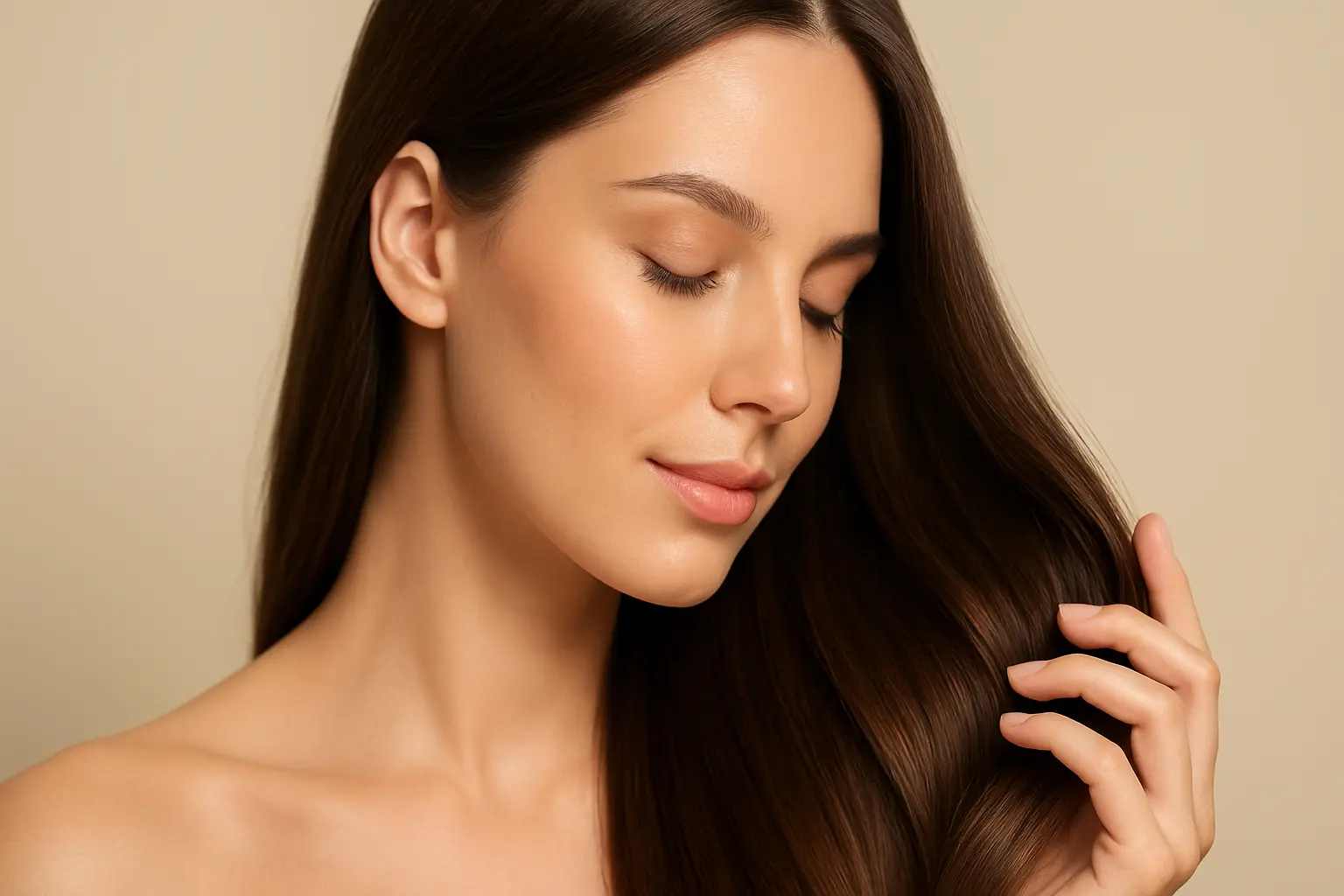
If your hair looks dry, dull, brittle, or has a "straw-like" appearance, you're not alone. Damaged hair is one of the most common hair problems and can affect any hair type. The good news? With the right routine, proper products, and patience, it's possible to significantly recover your hair's health. This complete guide on how to recover damaged hair will teach you everything you need to know to transform damaged hair into strong, shiny, and healthy hair.
What does "damaged hair" mean?
Damaged hair refers to hair that has lost its healthy structure due to external or internal aggression. When hair is healthy, the cuticle (outer layer) is smooth and well-closed, allowing the hair to reflect light and maintain hydration. In damaged hair, the cuticle is raised, broken, or absent, exposing the inner part (cortex) and causing loss of protein, moisture, and elasticity.
The result is hair that appears dry, dull, rough to the touch, with a tendency to tangle and break easily. Understanding what damaged hair is and the degree of damage is the first step in choosing the right treatment and learning how to recover damaged hair.
Visible signs of damaged hair
- Lack of shine and dull appearance
- Rough texture, straw-like or coarse
- Split and triple ends (trichoptilosis)
- Frequent breakage and length loss
- Difficulty detangling
- High porosity (absorbs water quickly but doesn't retain it)
- Excessive frizz and lack of definition
- Loss of elasticity (hair stretches little and breaks easily)
Difference between dry, porous, and damaged hair
It's important to distinguish these three states, as they require different approaches:
- Dry hair: Temporary lack of hydration, usually caused by external factors. Can be reversed with proper hydration.
- Porous hair: The cuticle is raised, causing the hair to absorb and lose moisture quickly. Can be caused by genetics or damage.
- Damaged hair: Permanent structural damage to the hair fiber. Requires protein reconstruction in addition to hydration and nutrition.
Degree of damage: mild, moderate, or severe
Identifying the level of damage helps choose the intensity and frequency of treatments:
Slightly dry hair with some split ends but still shiny. Responds well to regular hydration.
Dull, rough hair with visible split ends and some breakage. Needs nutrition and occasional reconstruction.
Straw-like hair, very brittle, without elasticity, with very damaged ends. Requires intensive reconstruction routine and significant trim.
Main causes of hair damage
Knowing the causes of hair damage is essential to preventing future problems. Hair can be damaged by multiple factors, often combined:
Physical damage caused by hair manipulation
- Brushing wet hair forcefully
- Very tight hairstyles (braids, buns, ponytails)
- Vigorously rubbing hair with towel
- Using elastics with metal or too tight
- Sleeping with loose, unprotected hair
- Poorly applied or very heavy extensions
Damage caused by excessive heat
- Frequent use of blow dryer, flat iron, or curling iron without heat protection
- Very high temperatures (above 180-200°C)
- Holding hot tools too close to hair
- Very hot shower water (opens the cuticle)
- Prolonged sun exposure without protection
Chemical processes that alter hair structure
- Frequent coloring and bleaching
- Chemical straightening (progressive, Japanese, etc.)
- Perms and chemical waves
- Products with harsh chemicals (strong sulfates, formaldehyde)
- Incorrect application or chemical overlap
- Pool chlorine (oxidation)
External elements that degrade hair
- Sun's UV rays (degrade proteins and melanin)
- Saltwater from the sea (dehydrates and dries)
- Wind (causes friction and tangling)
- Urban pollution (deposits damaging particles)
- Dry air or low humidity
- Hard water (rich in minerals that accumulate)
Causes that come from within the body
- Poor diet (deficiency of proteins, vitamins, and minerals)
- Dehydration (insufficient water consumption)
- Chronic stress (affects hair cycle)
- Hormonal changes (pregnancy, menopause, thyroid)
- Certain medications (chemotherapy, antidepressants)
- Health conditions (anemia, eating disorders)
Recovery varies according to the degree of damage and consistency of care. Mild damage: 1-3 months. Moderate damage: 3-6 months. Severe damage: 6-12 months. It's important to have realistic expectations: already damaged hair will never return to being "virgin," but it can significantly improve in appearance, texture, and resistance.
Essential 3-phase recovery routine to recover damaged hair
The foundation of how to recover damaged hair is the balance between three fundamental processes: hydration, nutrition, and reconstruction. Each phase has a specific function and all are essential for complete recovery and strong, shiny hair.
Hydration replaces water and moisture inside the hair strand. It's essential for elasticity, softness, and flexibility.
Use hydration masks 1-2 times per week. Apply to clean, damp hair, concentrating from mid-lengths to ends. Leave on for the recommended time (usually 5-15 minutes).
- •Look for ingredients like hyaluronic acid, glycerin, aloe vera, panthenol
- •Apply heat (thermal cap or hot towel) for better penetration
- •Rinse with warm to cool water to seal the cuticle
- •Use hydrating leave-in for daily maintenance
Mix 2 tablespoons of pure aloe vera gel with 1 teaspoon of vegetable glycerin. Apply to damp hair, leave for 15 minutes, and rinse. Use weekly for economical and effective hydration.
Nutrition replaces oils and lipids that form the hair's protective barrier. Seals the cuticle and prevents moisture loss.
Vegetable oils are fundamental for nutrition. Apply in small amounts to ends daily or do intensive weekly treatments.
- •Castor oil: strengthens and promotes growth
- •Argan oil: rich in vitamin E, gives intense shine
- •Coconut oil: penetrates deeply, reduces protein loss
- •Jojoba oil: similar to scalp's natural sebum
- •Shea butter: intense nutrition for very dry hair
Oil treatment is a pre-shampoo treatment with pure oil. Apply coconut or castor oil to entire hair, leave on for minimum 1 hour (or overnight), and wash normally. Do 1-2 times per month for deep nutrition. Caution: don't exceed frequency on fine or oily hair.
Reconstruction replaces lost proteins in the hair structure. It's essential for very damaged, brittle hair or hair that has undergone chemical processes.
Use reconstruction when hair is too elastic (stretches too much), breaks easily, or doesn't respond to hydration. Caution: excess protein can harden hair. Respect intervals of 15-30 days between sessions.
- •Vegetable or hydrolyzed keratin
- •Amino acids (cysteine, methionine)
- •Hydrolyzed collagen
- •Silk proteins
- •Hair creatine
Apply reconstructing mask to clean, damp hair. Leave on according to instructions (5-15 minutes). Always finish with light hydration to balance. Signs of excess protein: hard, rough hair without movement. If this occurs, suspend reconstruction and focus on hydration.
- ✓Suitable shampoo and conditioner:Use gentle formulas without harsh sulfates. Conditioner in every wash, applied from mid-lengths to ends.
- ✓Mandatory heat protectant:Before any heat source (blow dryer, flat iron, curling iron). Choose products with protection up to 230°C.
- ✓Regular trim:Essential to eliminate damaged ends that prevent recovery. Trim 1-2cm every 8-12 weeks.
- ✓Simplified hair schedule:Week 1: Hydration. Week 2: Nutrition. Week 3: Hydration. Week 4: Reconstruction. Adjust according to your hair's needs.
Adaptations for hair types and damage intensity to recover damaged hair
There's no one-size-fits-all routine. It's essential to adapt care to your hair type and degree of damage:
Tends to get heavy easily. Needs light products and less frequent masks.
- Prefer spray leave-ins instead of heavy creams
- Weekly hydration is sufficient
- Avoid applying products to roots
- Use oils only on ends and in small amounts
Naturally drier and prone to frizz. Needs intense hydration and nutrition.
- Hydration 2-3 times per week
- Finger coiling or plopping technique for definition
- Creamy leave-in and gel to control frizz
- Avoid brushing dry hair (use wide-tooth comb in shower)
Extremely porous and fragile. Requires maximum hydration and low manipulation techniques.
- Co-wash (wash with conditioner) between shampoos
- LOC method (leave-in, oil, cream) to seal hydration
- Protective hairstyles (braids, twists) to reduce breakage
- Weekly deep hydration with heat
Chemically processed hair needs protein reconstruction in addition to hydration.
- Intensive reconstruction treatment in first 2 weeks
- Shampoo and conditioner specific for colored hair
- Toning masks to maintain tone (blondes/grays)
- Avoid high heat and new chemicals for minimum 4-6 weeks
Chlorine and saltwater are extremely damaging. Protection is essential.
- Wet hair with fresh water before entering pool/sea
- Apply leave-in or protective oil before exposure
- Wear hat or scarf to protect from sun
- Rinse immediately after leaving water
- Extra hydration 2-3 times per week in summer
Expensive products aren't always necessary. Consistency and correct ingredients matter.
- Pharmacies and supermarkets have effective, affordable lines
- Homemade recipes work (aloe vera, vegetable oils, apple cider vinegar)
- Invest in key products: sulfate-free shampoo, heat protectant, good oil
- Professional salon treatments 2-4 times/year are a good complement
Ingredients to look for and avoid to recover damaged hair
Knowing how to read labels and identify beneficial or harmful ingredients is fundamental to choosing effective products:
- Vegetable/hydrolyzed keratin:Rebuilds and strengthens the protein structure of hair
- Hyaluronic acid:Deep and lasting hydration, retains water in the strand
- Panthenol (Pro-vitamin B5):Improves elasticity, shine, and moisture retention
- Vegetable oils (argan, coconut, castor, jojoba):Nutrition, cuticle sealing, shine, and softness
- Ceramides:Rebuild the hydrolipidic barrier, prevent protein loss
- Amino acids (cysteine, methionine):Protein building blocks, strengthen the strand
- Silk proteins:Smooth the cuticle, give shine and softness
- Vegetable glycerin:Natural humectant, attracts and retains water
- Strong sulfates (Sodium Lauryl Sulfate - SLS):Very aggressive cleansing, removes natural oils, causes dryness
- Drying alcohols (Alcohol Denat., Isopropyl Alcohol):Dehydrate hair, cause breakage and frizz
- Heavy non-soluble silicones (Excess Dimethicone):Build up, prevent true hydration, require sulfates to remove
- Formaldehyde and formaldehyde releasers:Highly toxic, permanently damage hair structure
- Parabens (in high concentration):Controversial preservatives, may cause irritation
- Petrolatum and mineral oils (Petrolatum, Mineral Oil):Coat hair but don't penetrate, prevent nutrient absorption
Ingredients are listed in descending order of concentration. The first 5-7 ingredients represent most of the formula. If a beneficial ingredient is at the end of the list, there's very little of it in the product.
Look for products where beneficial ingredients appear at the top and harmful ingredients don't appear or are at the end. Beware of marketing: terms like "natural," "organic," or "chemical-free" aren't regulated and can be misleading. Always read the ingredient list (INCI).
Measuring progress and staying on track in your damaged hair recovery
Damaged hair recovery is a gradual process. Knowing how to recognize signs of improvement helps maintain motivation and adjust the routine when necessary.
- ✓Less breakage when combing or brushing
- ✓Shinier hair with healthier appearance
- ✓Softer, more pleasant texture to touch
- ✓Easier detangling
- ✓Less frizz and more definition
- ✓Better-looking ends (fewer split ends)
- ✓Greater elasticity (stretches and returns without breaking)
- ✓Length retention (grows without breaking at ends)
Improvement in texture and softness. Reduction of frizz and breakage. Hair easier to comb. Still visible damage but less severe.
Significant improvement in shine and overall appearance. Ends in better condition (with regular trims). Less need for reconstruction, more focus on maintenance.
Hair with healthy, strong, and resistant appearance. Most damaged length has been cut and replaced with new, well-cared-for hair. Maintenance routine established.
- ✗Skipping schedule phases (doing only hydration or only reconstruction)
- ✗Excess protein without balancing with hydration
- ✗Continuing to use heat tools without heat protectant
- ✗Not trimming damaged ends
- ✗Using unsuitable products (with sulfates, alcohol, etc.)
- ✗Inconsistency (doing treatment once and abandoning)
- ✗Impatience and premature giving up
- ✗Ignoring internal factors (diet, hydration, stress)
After recovering hair, maintenance is essential. Continue with regular hydration (1x/week), biweekly nutrition, and monthly reconstruction only if necessary. Always use heat protectant, avoid harsh chemicals, protect from sun and chlorine, maintain a balanced diet, and get regular maintenance trims. Adjust routine according to seasonal changes, lifestyle, or new chemical treatments.
Damaged hair: what to do first
Stop another colour, bleach or smoothing service until someone has looked at the hair. More chemical work on hair that is already breaking only adds breakage. A dusting or a short trim removes the worst ends. The lengths that remain need moisture first, then protein only if the hair feels gummy or overly soft, not if it already feels stiff.
In the salon, the matching services are deep conditioning in Lisbon, hair botox in Lisbon and, when the scalp needs a non-colour session, ozone therapy. Deep conditioning is the appointment for moisture. This guide explains the home routine. It does not replace that visit.
Products for damaged hair
Choose types, not a shopping list of brands. A gentle shampoo, a rinse-out mask used once or twice a week, a leave-in conditioner on the lengths, and a heat protectant before any dryer or iron cover most home routines. Protein treatments are useful in short courses when the hair feels mushy. Used every wash on fine hair, they can make it brittle.
Skip heavy oils on the root if the scalp is already oily, and skip clarifying shampoo as a daily habit: it strips hair that is trying to recover. Salon treatments use professional masks in a controlled time. Home products maintain the result between those visits.
Fine, dry, brittle hair
Fine hair that is also dry and brittle needs less product, not more layers of cream. Use a light leave-in on the ends only. Keep protein occasional. Heat should be lower and less often, with a protectant every time. A slightly more frequent trim stops the brittle ends from travelling up the length.
If the hair became fine after bleaching, treat the dryness before you lighten it again. Deep conditioning is the moisture visit. Hair botox is the longer repair when the surface is rough. Neither one dyes the hair back.
Hair damaged by bleaching
Bleach lifts the cuticle and leaves the fibre more porous, so it soaks up water, swells, and then feels stiff or gummy as it dries. The first job is to stop further lift. Then replace moisture, and use protein only in proportion to how soft the hair feels. A toner does not rebuild the fibre. It only adjusts the colour you can see.
Recovery is slower than a single mask suggests. Plan trims, a few conditioning appointments, and a gap before the next colour. When you are ready for colour again, balayage or a softer highlight is discussed against the condition of the hair, not against a photograph alone.
Tiago Zattar is a professional hairstylist with over 10 years of experience in hair care and restorative treatments. Hair health specialist, he helps clients recover damaged hair through personalized techniques and effective care routines.
Frequently Asked Questions
It depends on the degree of damage. For severely damaged hair, weekly reconstruction may be beneficial in the first weeks. However, for most people, every 15-30 days is sufficient. Excess protein can leave hair hard and brittle. Always observe your hair's response and balance with hydration.
Already damaged hair cannot be "repaired" to the point of returning to virgin state. Treatments significantly improve appearance and resistance, but very damaged ends should be cut. You don't need to cut everything at once - gradual trims every 2-3 months will remove damage while maintaining length.
Yes, hair continues to grow (about 1-1.5cm per month). The challenge is that very damaged hair breaks at the ends as fast as it grows at the roots, giving the impression it's not growing. With proper care, you'll see less breakage in 1-3 months, and length retention in 3-6 months.
Hair in this state needs an intensive approach: (1) Significant trim of most damaged parts, (2) Weekly protein reconstruction for 3-4 weeks, then biweekly, (3) Deep hydration with heat 2x/week, (4) Completely eliminate heat and chemicals, (5) Continuous protection with oils and leave-ins. Consider professional help for diagnosis and salon treatments.
Ideally, you should avoid or drastically minimize heat use during recovery. If necessary: (1) Always use quality heat protectant, (2) Reduce temperature to 150-180°C, (3) Limit to 1-2x per week maximum, (4) Leave rest days between uses, (5) Completely avoid new chemicals (straightening, coloring) for minimum 3-6 months.
Dry hair is a temporary lack of hydration, usually caused by external factors (climate, unsuitable products). Responds quickly to hydration. Damaged hair has permanent structural damage to the hair fiber - broken cuticle, protein loss - and requires more complex and long-term treatment (reconstruction + hydration + nutrition). Hair can be dry without being damaged, but damaged hair is always dry.
Price doesn't determine effectiveness - what matters are the ingredients. Many pharmacy or supermarket products have excellent formulations at affordable prices. Focus on: (1) Reading ingredient list (INCI), (2) Avoiding harsh sulfates, drying alcohols, and heavy silicones, (3) Looking for active ingredients (keratin, panthenol, oils). Premium products may have higher concentrations or rare ingredients, but aren't essential for results.
Yes, water in Portugal (especially Lisbon) tends to be hard (rich in limestone and minerals). This can accumulate in hair, leaving it dull, rough, and making treatment absorption difficult. Solutions: (1) Final rinse with filtered water or diluted apple cider vinegar (1 tablespoon/liter), (2) Use chelating shampoo (clarifying) once a month, (3) Install shower filter, (4) Increase hydration frequency to compensate.
Pause chemical services, trim the worst ends, and start a moisture routine. Book deep conditioning or hair botox in Lisbon if the hair is rough or breaking, rather than colouring it again immediately.
A gentle shampoo, a weekly mask, a leave-in on the lengths and a heat protectant. Protein is for short courses when the hair feels overly soft, not for every wash on fine hair. No single brand is required.
Lighter products on the ends, less heat, and trims before the brittle part moves up. Moisture comes before another lightening service.
The porous fibre can feel better with moisture, careful protein use and trims, but broken ends do not fuse back together. Further bleach waits until the hair is sound.
Tired of trying to recover damaged hair alone without seeing results? Schedule a hair diagnosis consultation. I'll assess your hair's condition, identify the causes of damage, and create a personalized treatment plan with professional techniques to restore health, strength, and shine to your locks.